Waste Management
Waste management is a critical issue facing India today. With its burgeoning population and rapid urbanization, the country generates an enormous amount of waste daily. Effective waste management is not only essential for maintaining environmental sustainability but also for ensuring public health and hygiene. In this blog, we will delve into the current state of waste management in India, the challenges it faces, and potential solutions to mitigate this ever-growing problem.
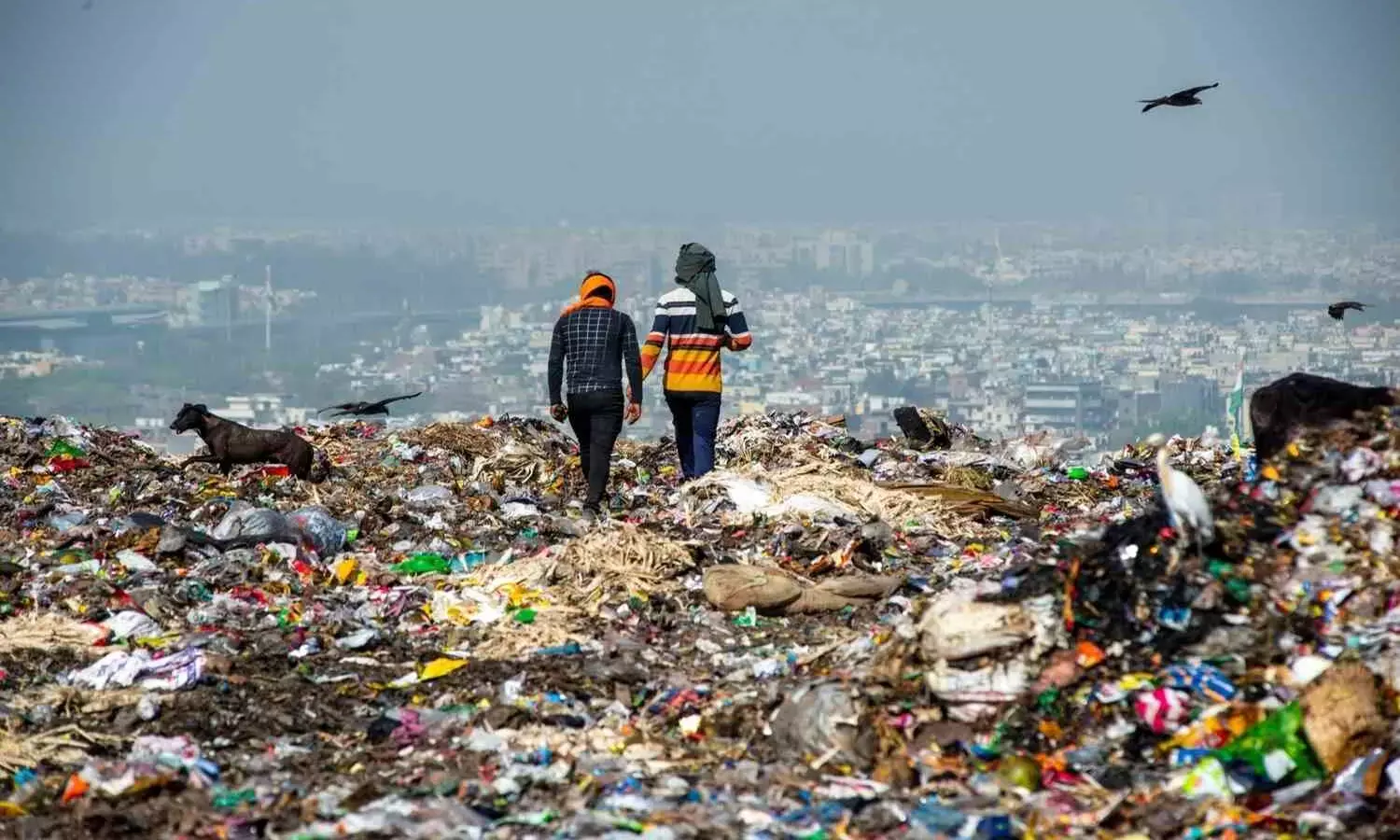
The Current Scenario
India generates a staggering 62 million tonnes of municipal solid waste annually, and this number is expected to double by 2030. This waste is a mix of organic and inorganic materials, and its improper disposal poses serious threats to both the environment and public health.
One of the main issues in India's waste management system is the prevalence of open dumping and burning. This not only releases harmful pollutants into the air but also contaminates soil and water sources, further deteriorating the ecosystem.
Challenges in Waste Management
1. Lack of Infrastructure: India's waste management infrastructure is inadequate and inefficient. Many cities lack the necessary facilities for waste segregation, recycling, and disposal. The absence of a proper collection and transportation system exacerbates the problem.
2. Inefficient Waste Segregation: The majority of waste generated is not segregated at the source, which makes recycling and proper disposal challenging. Without effective separation of recyclables and organic waste, a significant portion of reusable materials ends up in landfills.
3. Limited Awareness: Public awareness about waste management and its impact is relatively low in many parts of the country. This results in people disposing of waste haphazardly and without regard for its environmental consequences.
4. Informal Sector Dominance: A significant portion of India's waste management is handled by the informal sector, including ragpickers and waste collectors. While they play a vital role in recycling, their working conditions are often hazardous, and they lack access to basic amenities.
5. Policy and Regulatory Gaps: Inconsistent and outdated waste management policies at the national and state levels pose a significant challenge. There is a need for comprehensive, well-enforced regulations to guide waste management practices effectively.
Solutions and Initiatives

India has taken several steps to address its waste management challenges, but more concerted efforts are required to bring about substantial change. Some notable initiatives include:
1. Swachh Bharat Abhiyan: Launched in 2014, this nationwide cleanliness campaign aims to promote sanitation and eliminate open defecation. It includes components related to waste management, such as the construction of public toilets and the promotion of cleanliness and waste segregation.
2. Waste-to-Energy Projects: Some cities in India have invested in waste-to-energy projects, which convert non-recyclable waste into electricity. These initiatives not only reduce landfill pressure but also generate renewable energy.
3. Source Segregation: Promoting waste segregation at the source is crucial. Municipalities and communities must educate residents about the importance of separating recyclables, organic waste, and non-recyclables.
4. Extended Producer Responsibility (EPR): EPR policies hold manufacturers responsible for the disposal and recycling of their products and packaging. Implementing and enforcing EPR can incentivize producers to use Eco-friendly materials and reduce waste generation.
5. Composting and Bio-gas Plants: Encouraging composting of organic waste at the household and community levels can significantly reduce the amount of waste sent to landfills. Bio-gas plants can also convert organic waste into energy.
6. Formalizing the Informal Sector: Integrating the informal waste sector into the formal waste management system can improve the livelihoods and working conditions of waste pickers while increasing recycling rates.
Conclusion
Waste management in India is a complex issue, deeply intertwined with urbanization, population growth, and environmental concerns. However, with concerted efforts from both the government and civil society, the country can make significant strides toward more sustainable waste management practices. This includes better infrastructure, robust policies, public awareness campaigns, and the integration of informal waste workers into the formal system. Only by addressing these challenges head-on can India hope to manage its waste effectively and safeguard the environment and public health for future generations.
By Rohit Kumar


I've learned a lot from this blog. I'll definitely share this with friends and family to spread awareness
ReplyDelete"It's encouraging to see initiatives like Swachh Bharat Abhiyan making a difference. We need more such efforts to tackle this pressing issue.
ReplyDeleteI appreciate the mention of waste-to-energy projects. It's an innovative way to address waste while generating electricity
ReplyDeleteSource segregation is the key! We all must take responsibility for our waste and contribute to a cleaner environment.
ReplyDeleteIt would be great to see more case studies showcasing cities in India that have successfully improved their waste management systems.
ReplyDelete