Waste management
Waste management is the management of unwanted garbage by disposing
and recycling them. Waste management needs proper methods keeping in
mind the environmental conditions in our surroundings. For instance,
there are several methods and techniques through which the waste can be
disposed of.
Waste management is a very important matter in
today’s society. Due to the rapid and continuous increase in the
population, the amount of waste generating is increasing day by day.
Waste management reduces the effect of toxic wastes on the environment and human health.
There are many things that need to be taken into
consideration when discussing waste management, such as disposal
methods, recycling methods, avoidance and reduction methods, and
transportation of waste. The process of waste management involves
treating solid and liquid waste.
Some of these methods are
Landfills, Recycling, Composting, and many other techniques.
Furthermore, these methods are greatly useful in the process of
disposing of the waste without causing any harm to our environment and
surroundings.
Waste management reduces the effect of waste on
the environment, health, and so on. It can also help reuse or recycle
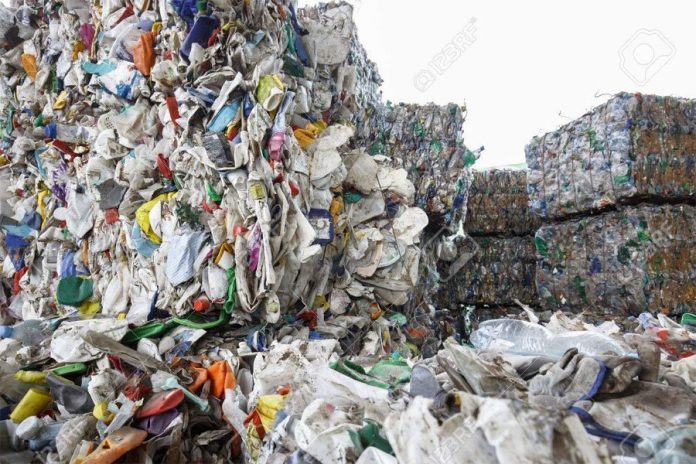
resources, such as; paper, cans, glass, and so on. There is various type
of waste management that include the disposal of solid, liquid,
gaseous, or hazardous substances.
Their are 5 type of waste:-
1) Liquid waste:- Liquid waste is
commonly found both in households as well as in industries. This waste
includes dirty water, organic liquids, wash water, waste detergents and
even rainwater.
2) Solid rubbish:- Solid rubbish can include a variety of items found in your household along with commercial and industrial locations.
Solid rubbish is commonly broken down into the following types:
• Plastic waste
• Paper/card waste
• Tin and metals
• Ceramics and glass
3) Organic waste:- Organic waste is another common household. All food waste, garden waste, manure and rotten meat are classified as organic waste.
4) Recyclable Rubbish:- Recyclable
rubbish includes all waste items that can be converted into products
that can be used again. Solid items such as paper, metals, furniture and
organic waste can all be recycled.
5) Hazardous Waste:- Hazardous waste includes all types of rubbish that are flammable, toxic, corrosive and reactive.
Advantages of waste management:-
▪︎Decrease bad smell: Waste or
garbage produces a lot of bad smell. The bad odor that comes from waste
and garbage is very harmful to the environment.
▪︎Reduces pollution: Waste
is one of the major causes of environmental degradation. For instance,
the waste from industries and households pollutes the rivers and lakes.
▪︎Generates employment: The waste management system needs so many workers to successfully manage the waste. These workers have various jobs to do.
Conclusion:-
we should always throw the waste in a way that
the waste management people can get it handled and recycled. There are
many ways by which we can cooperate in the waste management process. The
management of waste is very important to develop a green and clean
society and world.It is our responsibility to keep a regular check on
the management of waste. If we do it responsibly, then we can stop the
earth from being polluted.
By Harsh Dagar



Comments
Post a Comment